
Comparing Sea and Air Freight: Which is Best for Your Business?

Introduction
When it comes to shipping goods internationally, businesses often face the decision between sea and air freight. Each option offers unique benefits and challenges, and the right choice depends on various factors related to your business needs. Understanding these distinctions can help you make an informed decision and optimize your logistics strategy.
Cost Considerations
One of the primary factors in choosing between sea and air freight is cost. Sea freight is generally more affordable for large, bulky shipments and offers economies of scale. In contrast, air freight is typically more expensive due to higher fuel costs and limited capacity. However, if you're shipping smaller, high-value items, air freight might be worth the investment due to its speed and reliability.
Volume and Weight
Sea freight is more suitable for heavy and voluminous goods, as ships can accommodate large containers without significant additional costs. Air freight, on the other hand, is priced based on both weight and size, making it less economical for bulky items. Therefore, consider the nature of your goods when deciding on the shipping method.

Speed and Efficiency
When time is a critical factor, air freight is the preferred choice. It offers significantly faster delivery times compared to sea freight, which can take weeks to reach its destination. Air freight is ideal for urgent shipments or perishable goods that require quick transportation. However, if time is not of the essence, sea freight provides a more cost-effective solution.
Reliability and Frequency
Airlines offer frequent flights, providing greater flexibility and reliability in scheduling. Sea freight, while reliable, operates on less frequent schedules, which could lead to delays if not planned properly. Consider your business's flexibility and scheduling needs when choosing between these options.
Environmental Impact
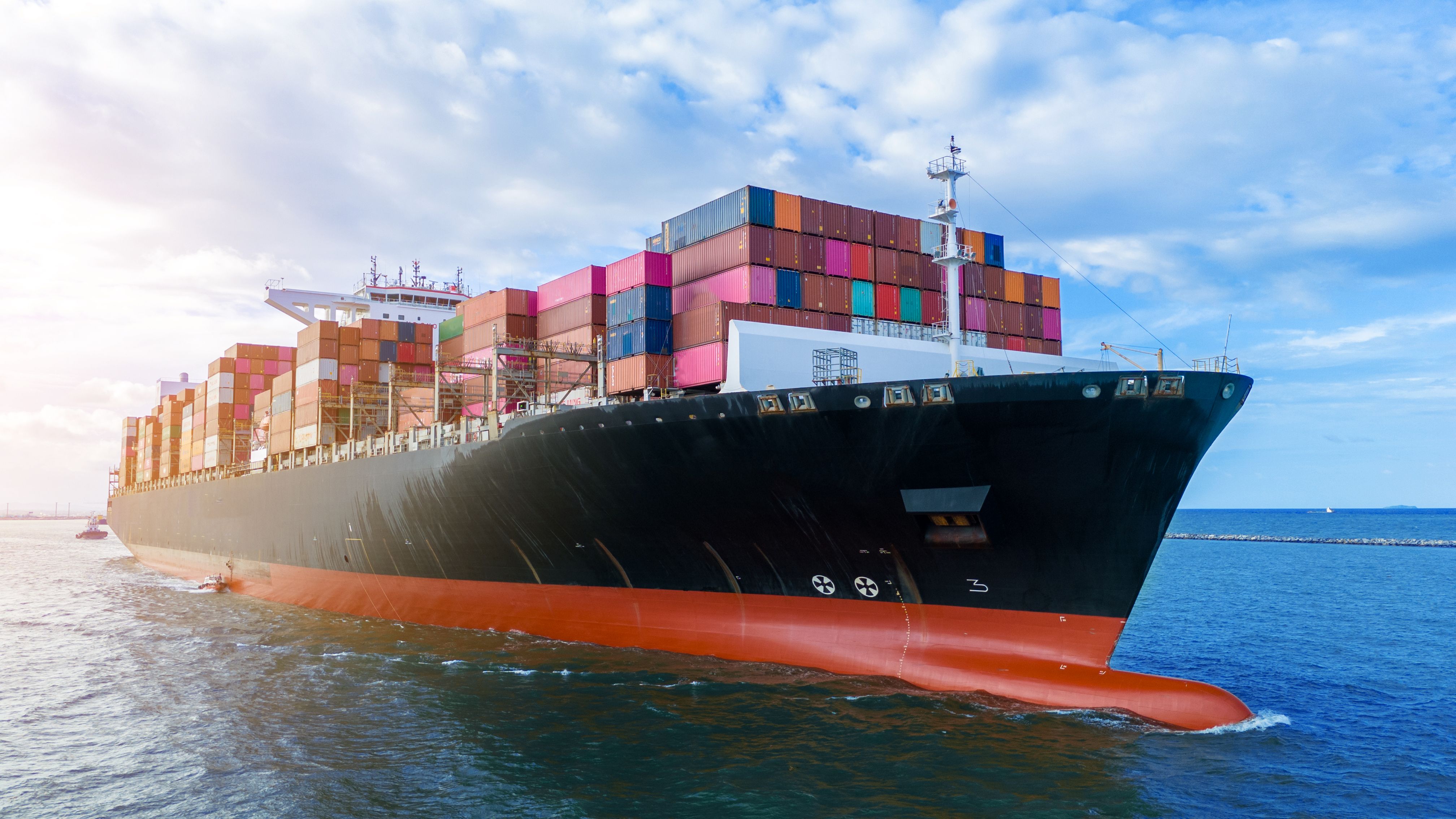
In today's environmentally conscious world, the ecological impact of shipping methods is an important consideration. Sea freight has a lower carbon footprint per ton-mile compared to air freight, making it a more sustainable option for businesses committed to reducing their environmental impact. However, advancements in aviation technology are gradually improving the eco-friendliness of air freight.
Conclusion
Choosing between sea and air freight involves weighing various factors such as cost, speed, reliability, and environmental impact. By understanding the distinct advantages and limitations of each method, you can align your shipping strategy with your business goals and logistical requirements. Ultimately, the best choice will depend on your specific needs and priorities.